Brick laid before the war
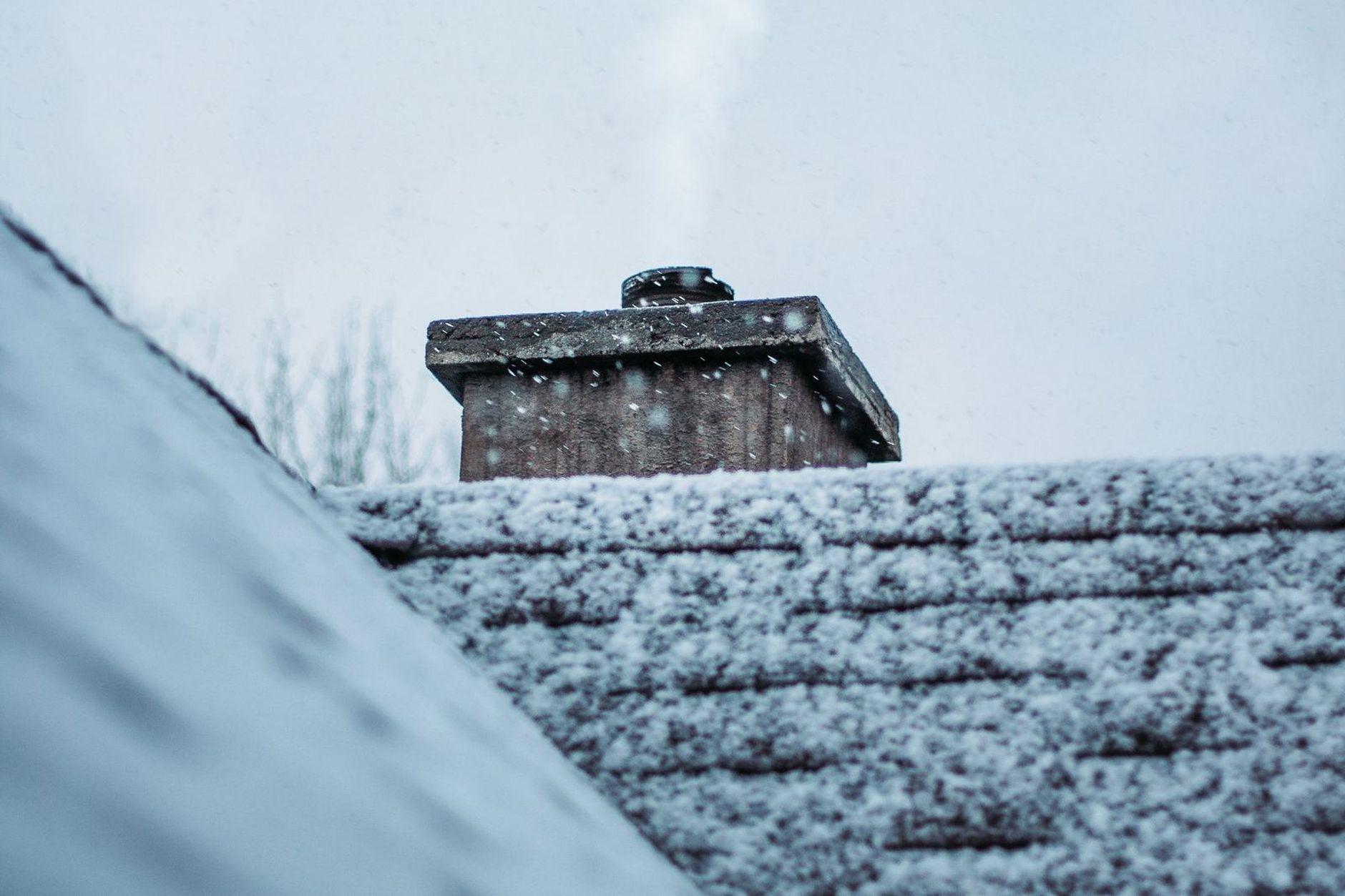
Mortar on an Inglewood chimney built in the 1920s or 1930s is usually a lime mix, softer than the brick around it. That was on purpose. The joints were meant to wear first, so the brick would not have to. After eighty or ninety winters of rain, sun and the odd hard shake, those joints are where the trouble shows: sand trickling onto the roof, a gap you can slide a key into, a top course that rocks when a mason leans on it.
Alston Chimney Pros works on the masonry of older houses in Inglewood, Culver City, Compton and the neighboring parts of Los Angeles. This post is about money: what kinds of brick repair an old chimney tends to need, which of them carry a published figure, and why most of them are priced only once someone has stood next to the stack.
The repairs old brick usually asks for
Most of the masonry work we write up on pre-war and mid-century houses falls into a handful of jobs. They often turn up together, which is why a single price for "masonry repair" would mislead you.
- Repointing. The tired joints are cut back and refilled. On an older chimney the new mortar has to be softer than the brick, or the brick takes the stress and its faces pop off within a few seasons. Matching the lime content matters more than matching the color.
- Replacing spalled brick. A brick that has lost its face soaks up water like a sponge. We cut it out and set a salvaged or close-matched brick in its place.
- Resetting the top courses. The few rows nearest the sky take the most weather. When they are loose, we lift them off and lay them again on fresh mortar.
- Crown work. Many older chimneys finish in a thin mortar cap that has crazed over the years. It can be sealed or formed again; see chimney crown repair.
- Partial or full rebuild. When the stack above the roof is leaning, cracked through, or held together by habit, laying it again from sound brick costs less in the end than patching it every year. See chimney rebuilds.
Why the figure depends on the visit
Two chimneys on one block can look alike from the sidewalk and be weeks of work apart. A few things decide where yours lands, and none of them comes through in a phone call:
- How deep the joints have failed, and over how much of the stack
- How many bricks are spalled, and whether matching brick can be found
- Whether the top is merely loose or the stack has moved
- How tall the chimney stands above the roof and how steep that roof is
- Whether the flue inside is in good enough shape to be worth the outside work
That last one catches people out. Spending on new mortar outside a flue with broken tile inside is money in the wrong order. So on an old house we usually suggest a camera look first. Our Level 2 chimney inspection is $415 and puts the inside and the outside on one report.
Masonry repair has no list price on this site. A mason climbs up, measures, taps, photographs, and you then get a written figure that names each item: how many square feet of joints, how many bricks, which courses come off. Nothing starts until you have signed that sheet.
If you want that visit, tell us about the chimney in the form: roughly how old the house is, where the brick looks worst, and whether anything has fallen onto the roof or into the firebox.
The prices we do publish
Some of the jobs that ride along with brick repair do have published figures. If the old chimney also needs any of these, the number is fixed in advance:
| Work on the same visit | Price |
|---|---|
| Camera run of the whole flue (Level 2) | $415 |
| Finding a leak and stopping it | $590 to $3,550 |
| Brushing the flue so the camera can see | from $445 |
The leak range covers everything from one failed joint to a stretch of brick and metal that both let go. A fresh cap is different. It is quoted after we measure, since a single small flue and a broad top carrying several flues are not the same part.
Matching the old mortar
A modern gray cement mix is harder than the brick it is pressed against. On a new chimney that is fine. On a chimney laid in lime it starts a slow problem: water that used to leave through the soft joints now leaves through the brick instead, and the brick faces flake. We have seen chimneys repointed decades ago with hard cement that now need more brick replaced than if they had been left alone.
So the first thing we look at is the original joint. We scratch it, note its color and hardness, and choose a mix that comes close in strength. That costs the same in labor as the wrong mix and saves a second repair.
Repair or rebuild?
People ask us to decide this from a description. We will not, but here is how the call usually goes on the roof:
- Joints sandy, bricks sound, stack plumb: repoint and reset the top courses.
- A handful of spalled bricks, stack plumb: repoint and replace those bricks.
- A crack running through several courses, or a lean you can sight against the roof line: rebuild above the point where the brick is still tight.
- Brick crumbling across most of the stack: rebuild, and talk about bracing or a lighter top while we are there.
When the answer is a rebuild, the written figure shows where we expect sound brick to start. If we open it up and the brick goes on being poor below that line, we stop and talk before going further.
Quakes and old brick
Unreinforced brick is the reason Southern California looks hard at chimneys after every large shake. The 1994 quake and the Whittier Narrows quake of 1987 each left damaged stacks around the county, and a fair number of older Inglewood chimneys still carry hairline cracks that nobody ever traced to either. A repair visit records those cracks and says whether they look old and settled or still opening. If you want to go further, our post on bracing options covers what can be done.
Who should look at it
Ask anyone who prices brick on an older chimney three things. Will they go on the roof before giving a number? What mortar will they use, and why? Will they look inside the flue before spending your money on the outside? Our answers are yes, a mix matched to your joints, and yes. More on picking a contractor sits in our notes on hiring for an original hearth.
Next
The contact page is the way in: give the street address and a line about the brick, and a mason will be in touch to set up the roof visit.
Want an Older Chimney Looked At?
Alston Chimney Pros repairs old brick with mortar that suits it, relines cracked clay flues and keeps original hearths where they can be made safe. Book from Inglewood, Culver City, Compton or anywhere in Los Angeles.